

In the U.S., where the battle against addiction is fought daily by millions, recognizing the true essence of sobriety as a form of personal freedom can be a game changer. Understanding these terms provides a more nuanced view of sobriety, enhancing our grasp of what it means to lead a sober life. Each synonym complements our comprehension, highlighting different facets that contribute to recovery and personal growth. With improved energy and motivation, you may find yourself starting to exercise and taking better care of yourself. It may also be helpful to get to know yourself on your own, first.
- Bestselling author Annie Grace explores finding freedom from alcohol through self-trust, mindfulness, and a supportive community in this podcast.
- However, living a sober life will help improve your physical, and in particular, your mental health.
- Through therapies like Cognitive Behavioral Therapy (CBT) and Dialectical Behavior Therapy (DBT), individuals learn coping mechanisms that aren’t reliant on substance use.
- Massage helps your immune system, is nurturing, and can lift you up even on the worst day.
Best Sober Living Homes in New York
- Kudos to you for deciding to live a better life — and a sober life.
- One of the benefits of a sober life is not wasting good money on a good buzz.
- It’s pretty nice to actually enjoy your coffee and not use it as a lifeline.
They are all in addiction recovery from some kind of substance abuse. Dave brings his experience as a licensed marriage and family therapist to help make this podcast feel conversational and welcoming. Being sober is the complete abstinence from addictive substances. Even those overcoming drug use should avoid alcohol to prevent replacement addiction or to further relapse prevention skills and instead focus on the development of their sober lifestyle. Sobriety cannot be traditionally measured or given a numerical value.

Reset Your Mind: Benefits of Inpatient Mental Health Care
- Now, I can deal with them the same way you would deal with any chronic disease.
- Often when people relapse, they’ve attempted to quit using on their own, and then they later seek out a sober community for support or treatment.
- Social groups change, habits are rewritten, and your brain and body are rewiring old coping mechanisms.
- That is much easier to handle than drunk shenanigans that got out of hand.
- When you’re misusing drugs or alcohol, your relationships may be built on substance use.
You won’t have to nurse any more hangovers or take afternoon naps to get through the day. Sobriety helps prevent you from saying things you don’t mean, acting in ways you normally wouldn’t and making poor decisions that negatively impact your relationships. Some recovery programs also have access to family therapy orsupport groupsspecifically for loved ones to help them cope as what is alcoholism well. The Soberful Mastermind is a behaviour change program + expert coaching + a supportive community. Pay once and stay for as long as you need.If you are sober or trying to get sober, you can start this program at any point in your journey. Substance abuse often damages relationships with family members, friends, and significant others.
- These homes aren’t just about staying substance-free; they’re about learning how to live a fulfilling life in sobriety.
- Dwelling on what life was like before or during rehab can bring up many negative memories that may trigger a relapse.
- Surround yourself with a strong support system, continue learning and growing, and have a plan to avoid triggers.
- It’s a subversive, hardcore choice to take your life into your own hands.
- There’s the sense that if you’re not usingdrugsor alcohol, somehow life is boring or uninteresting.
- Or you might rather spend time volunteering for a good cause, like an animal shelter or children’s hospital.
- Keep reading for three additional cornerstones to a new lifestyle.
Uncover A Sustainable, Fulfilling Life Free of Alcohol
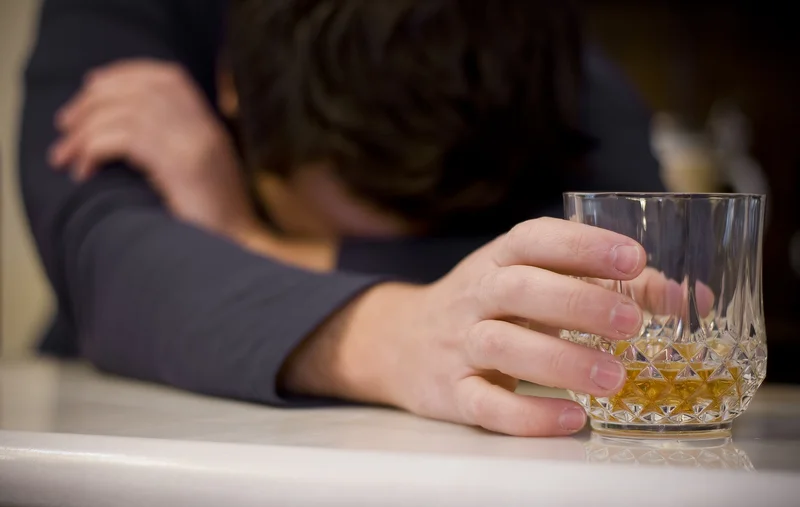
It’s crucial to understand that getting sober is a process that takes time and sober life effort to achieve long-term recovery. Embarking on a journey toward sobriety isn’t just a personal milestone; it has profound implications on your relationships as well. When you make the decision to become sober, the evolution of your connections with friends, family, and partners often becomes an essential part of the recovery process.
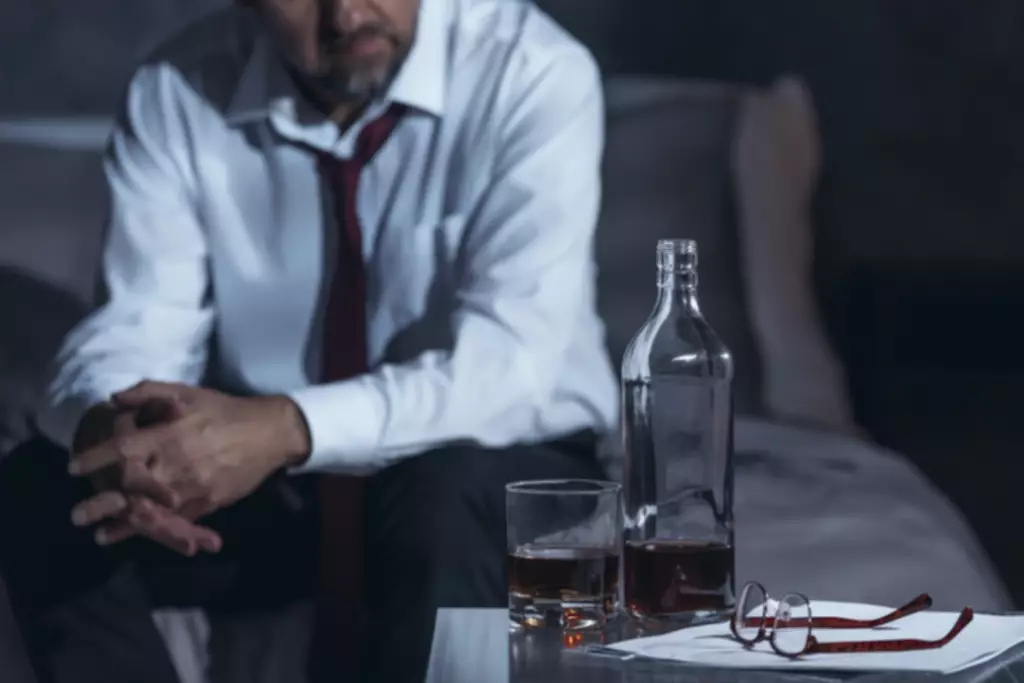
After attending rehab or detoxing at home, you may find yourself feeling uninterested in life, friends, or social activities. Years of pop culture and entertainment portraying people who drink or use drugs as fun, carefree, and charismatic can severely damage your opinion of staying sober. Embracing these benefits, you’ll find that sober living homes offer much more than just a place to stay. They furnish you with the tools, support, and structure needed to build a solid foundation for your recovery journey. Discovering a personal motivation for recovery can significantly ease the path to a sober lifestyle.
What does a sober life look like?
Instead, your energy levels soar, your skin glows, and you feel stronger and sharper than ever. Embarking on the journey of leading a sober life is a profound and courageous step. These get replaced by hours reclaimed for hobbies, projects, and personal growth. Weekdays also no longer start with the fog of a hangover which allows for sharper focus, sustained energy, and greater efficiency at work. Also with sobriety, people commonly report feeling more in control and proud of their appearance. This can radiate outward and boost confidence in social situations and personal reflections.
The Difference Between Living a Sober Life and Getting Sober
Without the cycle of planning, engaging in, and recovering from drinking activities, hours once dedicated to alcohol become available for other pursuits. Visible changes such as clearer skin and healthier hair might start to be noticeable within a month, with more pronounced effects after several months of sobriety. Without alcohol, the brain starts to heal, gradually restoring the natural function of neurotransmitters responsible for mood https://ecosoberhouse.com/article/what-is-alcoholics-anonymous/ regulation. This process doesn’t happen overnight, but many report a significant decrease in their anxiety levels as they continue to live alcohol-free. Recovery is both holistic and is achieved through a variety of avenues for different individuals. No one particular person has exactly the same experience along their road to recovery, but once there, it can be a very fulfilling experience.